
I was surprised that what I knew was worth knowing
Jun 23, 2026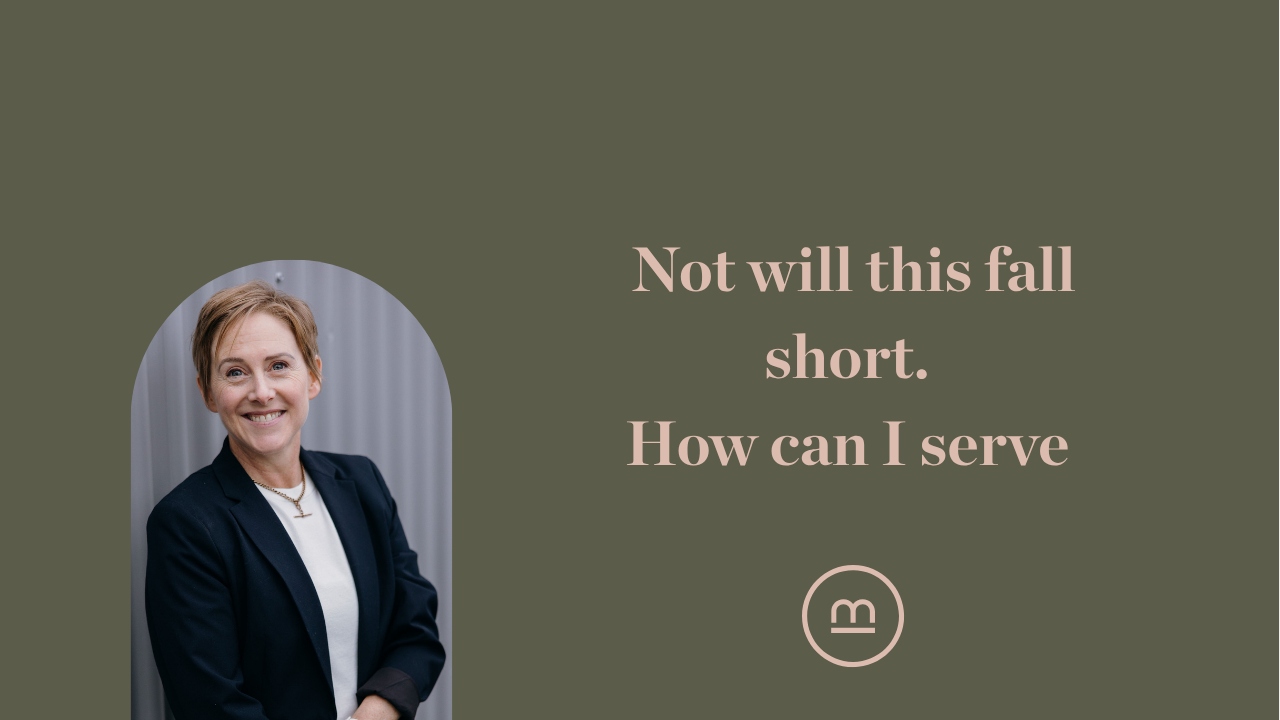
Seven years ago I was given a seat at a PMO table for the first time. It was a stretch beyond anything I'd done before, surrounded by people who had run programmes for decades while I was still working out where I fit.
For the first six meetings I said almost nothing.
It wasn't that I had nothing to offer. Connections were forming throughout each meeting, between what was being said and what I'd seen on other projects, things nobody else seemed to have noticed. But each time I opened my mouth to speak, a faster question got there first. Will this fall short. Will it make me look like I don't know what I'm doing. Even though I did know what I was doing.
Somewhere around the seventh meeting I stopped waiting to feel sure and said something anyway. I expected it to be obvious, something everyone already understood and I was simply repeating out loud. Instead the room turned to me. Someone was writing down what I was saying, while someone else was asking me to say more.
I was surprised that what I knew was worth knowing.
Something shifted after that. The question in my brain changed. It stopped being will this fall short, and became how can I serve the people at this table. The effort to speak stayed the same. Only the direction changed.
There's a name for this switch. Psychologist E. Tory Higgins called it regulatory focus. One version of you is built from obligation, the standard you feel responsible to meet, and falling short of it produces nervousness and guilt. The other is built from aspiration, the person you're hoping to become, and reaching toward it produces contribution and gain. Both are wired into how people operate under pressure, but only one of them lets you actually be useful to the people around you.
Twenty years in communications and engagement, and plenty of my own stretch moments since that PMO table, taught me that the switch comes when the question itself changes. Nobody talked me into it.
This matters as much for the people designing a room as it does for the person sitting quietly inside it. Every condition you set, who speaks first, whether disagreement feels dangerous, either keeps people running the prevention version of themselves or gives them permission to ask how they can contribute instead. Recognising that calculation in others starts with recognising it in yourself.
That recognition, in myself and in the practitioners I work alongside, is most of what that experience has actually taught me. It's also why I've spent the past few months building somewhere for people doing this work, holding a council table through a contentious decision, deciding in real time whether speaking up serves the room better than staying quiet, to think it through with others who've sat in that kind of pressure before.
The Conditions for Trust Network opens its first cohort on 11 August, with founding member places limited to the first 25 people. It's built for the moments this newsletter keeps returning to, reading pressure before it becomes a crisis, deciding whether to speak or hold back, knowing what conditions need to exist before trust can return. If that's familiar territory, you can register your interest now and be among the first to know when founding member places open.
Register your interest in the Conditions for Trust Network by either clicking on that link, or replying to this email.